
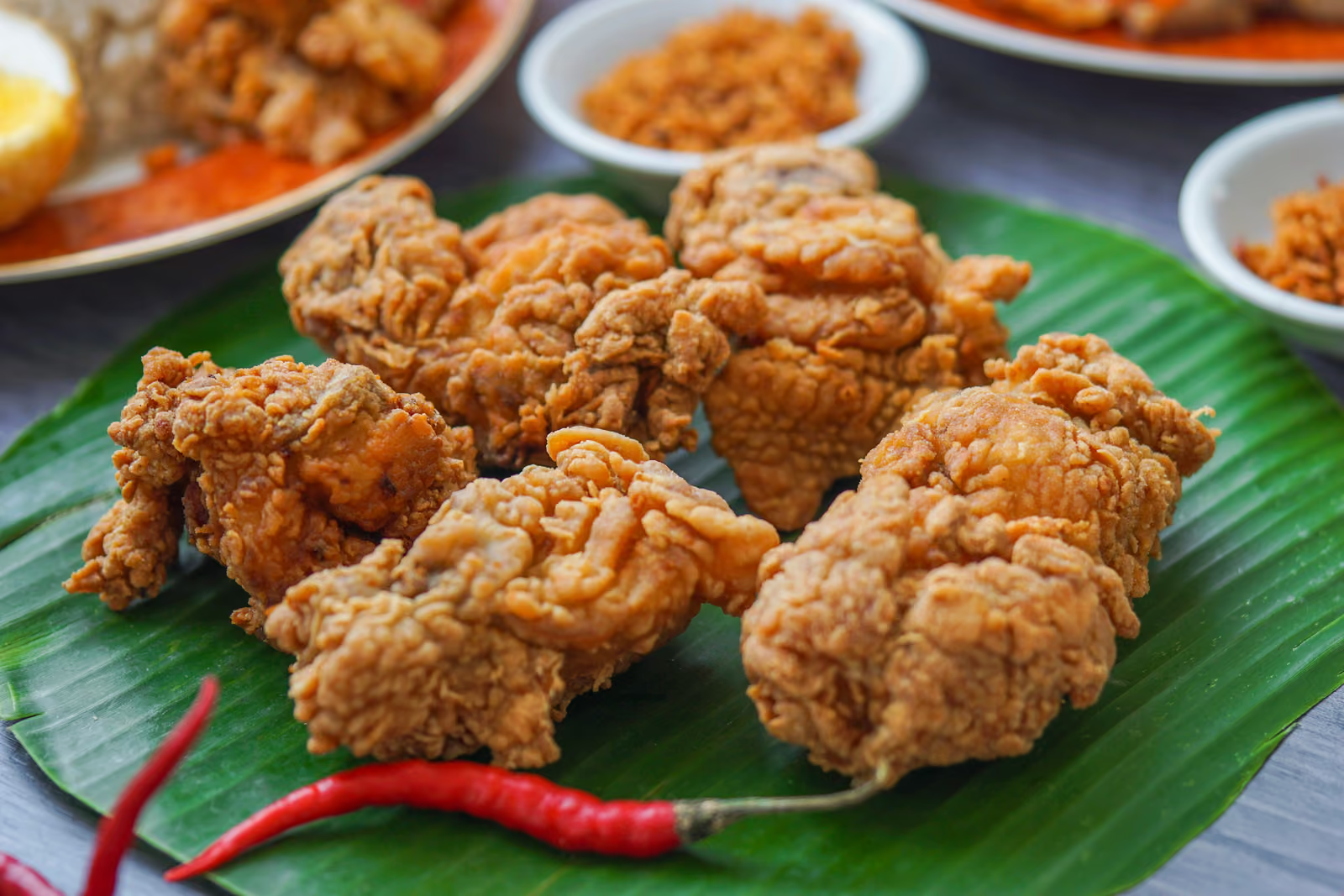
3 Days in Chengdu 2026: Food, Pandas, Sanxingdui Museum & Day Trips (Emei Shan, Leshan)
3 Days in Chengdu 2026: Food, Pandas, Sanxingdui Museum & Day Trips (Emei Shan, Leshan) Three days in Chengdu built around Sichuan hotpot, noodle shops, teahouse culture, and a Leshan day trip. Includes 10+ specific restaurants with addresses, a Chinese menu-reading guide, vegetarian options, a Sichuan cooking class, the 23 flavor profiles of Sichuan cuisine, photography spots, family travel tips, a 24-hour express itinerary, and the late-night food scene. Topics: Plan Your Trip, Food, Cities, Culture.
Chengdu is easy to enjoy when you plan meals as anchors and let the hours between them stay loose. Three days is enough for a first taste without turning every meal into a challenge. This itinerary gives you specific restaurants, a spice-level survival guide, and enough flexibility to follow your appetite.
Before you go: key numbers
| Item | Detail |
|---|---|
| Best season | March–June and September–November. Summer (Jul–Aug) is hot and humid; winter is damp and cool. |
| Getting there | Fly to Chengdu Tianfu (TFU) or Shuangliu (CTU). Or take high-speed train from Xi’an (~4 hours, ~¥260) or Chongqing (~1.5 hours, ~¥150). |
| Metro | Lines 1–10 and expanding. Single rides ¥2–10. Alipay transit QR code works. |
| Budget | Mid-range: ¥400–700/day per person. Chengdu is cheaper than Beijing or Shanghai. See our budget guide for full breakdowns. |
| Spice warning | Sichuan food uses both chili (辣 là) and Sichuan peppercorn (麻 má, numbing). See the spice guide below. |
| Where to stay | Chunxi Road (春熙路) for transport convenience; Yulin Road (玉林路) for local food scene. See our Shanghai accommodation guide for general China hotel tips. |
Spice level guide for foreigners
Sichuan cuisine has layers of heat that most visitors do not expect. Understanding the system before your first meal prevents unpleasant surprises.
| What you see | Meaning | Actual heat level |
|---|---|---|
| 不辣 (bù là) | No spice | Genuinely mild — safe for everyone |
| 微辣 (wēi là) | Mild | Still noticeably spicy for most non-locals. Contains real chili. |
| 中辣 (zhōng là) | Medium | Serious heat. Most Chengdu locals’ default. |
| 特辣 (tè là) | Extra hot | Very intense. Even experienced diners should be cautious. |
| 麻辣 (má là) | Numbing-spicy | The signature Sichuan combo — chili heat plus peppercorn tingle. |
Practical tips:
- Start with 微辣 (wēi là) even if you enjoy spicy food at home. Chengdu’s “mild” is stronger than most cities’ “hot.”
- Order at least one non-spicy dish per meal as a reset: 蛋花汤 (egg drop soup), 白米饭 (steamed rice), or 凉拌木耳 (cold wood ear mushroom salad — ask for no chili).
- The numbing sensation from 花椒 (Sichuan peppercorn) builds over 30–60 seconds. It is not painful but unfamiliar. Drink room-temperature water or 酸梅汤 (sour plum juice, ¥8–15 at most restaurants) to cope.
- Avoid dairy assumptions — most Chengdu restaurants do not carry milk. Soy milk (豆奶, ¥3–5) works better as a rescue drink.
- If your stomach is sensitive, take an antacid before your first hotpot. Introduce heat gradually across your trip, not all at once on day one.
How to read a Sichuan menu: key dishes and ordering phrases
Most local Chengdu restaurants have menus in Chinese only. Here are the dishes and phrases that will help you order with confidence.
Must-order Sichuan dishes:
| Chinese | Pinyin | English | Spice level | Notes |
|---|---|---|---|---|
| 麻婆豆腐 | mápó dòufu | Mapo tofu | 麻辣 | The iconic dish. Silky tofu in spicy bean sauce. |
| 回锅肉 | huíguō ròu | Twice-cooked pork | 中辣 | Pork belly with peppers and fermented beans. Comfort food. |
| 宫保鸡丁 | gōngbǎo jīdīng | Kung Pao chicken | 中辣 | Chengdu original uses Sichuan peppercorn. Very different from Western versions. |
| 鱼香肉丝 | yúxiāng ròusī | Fish-fragrant pork | 中辣 | No fish — “fish-fragrant” refers to the seasoning style. Sweet-sour-spicy. |
| 干煸四季豆 | gān biān sìjì dòu | Dry-fried green beans | 微辣 | A safe, delicious option if you need a break from spice. |
| 夫妻肺片 | fūqī fèipiàn | Husband-and-wife lung slices | 麻辣 | Cold beef and offal in chili oil. No actual lungs. Adventurous but excellent. |
| 担担面 | dàndàn miàn | Dan dan noodles | 中辣 | Sesame-chili sauce noodles. A Chengdu staple. |
| 钟水饺 | zhōng shuǐjiǎo | Zhong dumplings | 微辣 | Small dumplings in sweet chili sauce. |
| 龙抄手 | lóng chāoshǒu | Long wontons | 微辣 to 中辣 | Wontons in clear or spicy broth. |
Useful phrases at the restaurant:
| Phrase | Pronunciation | Meaning |
|---|---|---|
| 不要辣 | bù yào là | No spice, please |
| 微辣就好 | wēi là jiù hǎo | Mild is fine |
| 有没有不辣的菜? | yǒu méiyǒu bù là de cài? | Do you have any non-spicy dishes? |
| 这个辣不辣? | zhège là bù là? | Is this spicy? |
| 买单 | mǎidān | Check, please |
| 扫码 | sǎomǎ | Scan to pay (QR code) |
Day 1: noodles, neighborhoods, and tea
Start with a small noodle shop and order one bowl each rather than the whole menu. Walk a central neighborhood, pause in a park teahouse, and let dinner be your first hotpot experience.
Noodle shops to look for:
- 明婷小吃 (Míng Tíng Xiǎochī): 武侯区祠街27号. Known for 甜水面 (sweet-spicy thick noodles) and 素椒杂酱面. ¥12–18 per bowl. Opens 7am–2pm.
- 小名堂 (Xiǎo Míngtáng): 青羊区奎星楼街. Popular with locals for 担担面 and 川北凉粉. ¥10–20. Expect a queue before 9am.
- Look for places where locals queue before 10am — that is always the right sign.
- Common styles: 担担面 (dàndàn miàn, sesame and chili sauce), 甜水面 (tiánshuǐ miàn, sweet and spicy thick noodles), 素椒杂酱面 (sù jiāo zá jiàng miàn, mixed meat sauce).
- Expect to pay ¥12–25 per bowl.
Neighborhood walk:
- Start at Kuanzhai Alley (宽窄巷子) for a quick look (it is touristy but photogenic), then walk south into the less polished lanes around 小南街 and 长顺街.
- Or skip Kuanzhai entirely and head to 玉林路 (Yulin Road) — the neighborhood made famous by the Zhao Lei song. Good bars, restaurants, and a local feel.
Morning tea culture:
Chengdu’s teahouse tradition is not a tourist表演 — locals gather every morning, sometimes before 7am, to drink tea, eat sunflower seeds, chat, and play mahjong. Joining this ritual is one of the most authentic Chengdu experiences you can have.
- People’s Park (人民公园) Heming Teahouse (鹤鸣茶社): The classic. ¥20–40 for a pot of jasmine or green tea. Bamboo chairs, live music some mornings, and the famous ear-cleaning service (¥30–50).
- 文殊院 (Wenshu Monastery) Tea Garden: Free entry to the monastery. Tea ¥15–30 in the courtyard. Much quieter than People’s Park. Monks sometimes join. Opens around 6:30am.
- 彭镇观音阁老茶馆 (Péngzhèn Guānyīnggé Old Teahouse): About 40 minutes west by taxi (¥60–80). A real old-school local teahouse — bamboo chairs, thermos flasks, ¥5–10 per pot. Popular with photographers. Go before 9am for the best atmosphere.
Dinner: first hotpot experience:
- 海底捞 (Hǎidǐlāo / Haidilao): Reliable chain, English-friendly menus, excellent service. Branches everywhere. Budget ¥150–250 per person.
- 小龙坎 (Xiǎo Lóngkǎn): More local feel than Haidilao. Good broth quality. ¥120–200 per person.
- 蜀大侠 (Shǔ Dàxiá): Themed restaurant with theatrical presentation. Fun for first-timers. ¥130–220 per person.
- 如何点菜 (How to order): Choose a broth base — 鸳鸯锅 (half spicy, half mild) is safest for mixed tables. Then pick dipping ingredients: sliced beef, lamb, tripe (毛肚), lotus root, potato, tofu. Cook in the boiling broth for 10–30 seconds, dip in sesame oil + garlic sauce.
- Pro tip: Order 酥肉 (crispy fried pork, ¥18–28) and 红糖糍粑 (brown sugar glutinous rice cake, ¥15–22) as appetizers — they are classic hotpot companions and help absorb the spice.
Day 2: pandas and Sichuan classics
Visit the panda base early — pandas are active in the morning and sleep after 10am. Keep the afternoon light. Save your appetite for dishes beyond hotpot.
Panda Base practical details:
- Full name: Chengdu Research Base of Giant Panda Breeding (成都大熊猫繁育研究基地).
- Tickets: ¥55 peak (Jan–Jun, Sep–Dec), ¥45 off season. Book 1–3 days in advance via WeChat mini-program or official website.
- Opening hours: 7:30am–6:00pm. Arrive before 8am.
- Getting there: Metro Line 3 to Panda Avenue station, then shuttle bus or taxi (about 15 min). Or taxi from central Chengdu, about 30–40 min, ¥40–60.
- Time needed: 2–3 hours. The base is large; take the internal shuttle (¥10) if you don’t want to walk.
- Best season for cubs: September–November, when cubs are born and active.
Lunch: the originals
- 陈麻婆豆腐 (Chén Mapó Dòufu): 青羊区西玉龙街197号. The original mapo tofu since 1862. A bowl of mapo tofu with rice costs ¥25–40. The Qingyang branch is the most authentic — avoid imitators near tourist areas.
- 钟水饺 (Zhōng Shuǐjiǎo): 青羊区提督街. Chengdu-style dumplings in chili sauce. ¥15–20. The name means “dumplings in sauce,” not water dumplings.
- 龙抄手 (Lóng Chāoshǒu): 锦江区春熙路. Wontons in clear or spicy broth. ¥15–25. The Chunxi Road branch is convenient.
Afternoon: choose one
- Jinsha Site Museum (金沙遗址博物馆): ¥70. Ancient Shu civilization artifacts, 3,000 years old. Excellent museum, 2–3 hours.
- Market walk: Visit a local morning market near 建设路 (Jianshe Road) for a genuine look at Sichuan ingredients — dried chilies, preserved vegetables, bamboo fungi.
Dinner: beyond hotpot
- 回锅肉 (twice-cooked pork): Pork belly with peppers and fermented black beans. The most common home-style Sichuan dish.
- 宫保鸡丁 (gōngbǎo jīdīng): The Chengdu original uses diced chicken, Sichuan peppercorn, and dried chilies — very different from Western takeout versions.
- 鱼香肉丝 (yúxiāng ròusī): “Fish-fragrant” shredded pork. No fish in the dish — the seasoning method traditionally accompanied fish dishes. Sweet, sour, spicy.
- 干煸四季豆 (gān biān sìjì dòu): Dry-fried green beans with minced pork and preserved vegetables. A safe, delicious option if you need a break from spice.
Day 3: choose your Chengdu — or go to Leshan
Use the final day for whichever rhythm you liked most. If you have energy for one more adventure, the Leshan Giant Buddha is a feasible day trip.
Option A: Chengdu at your own pace
- Wuhou Shrine (武侯祠) + Jinli Street (锦里): ¥50 for the shrine. Jinli is right next door — touristy but atmospheric. Good for a couple of hours.
- Du Fu Thatched Cottage (杜甫草堂): ¥50. Quiet garden, poetry museum. 1–2 hours.
- Shopping for tea or spices: Bring Sichuan peppercorn (¥15–30/100g), tea, or chili oil (¥20–45) home. Buy from 春熙路 (Chunxi Road) area supermarkets for the best prices and freshest products. Look for 汉源花椒 (Hanyuan peppercorn) — the most prized variety.
Option B: Leshan Giant Buddha day trip
The world’s largest stone Buddha is carved into a cliff face where three rivers meet. It is 130 km south of Chengdu and doable in a single day.
| Item | Detail |
|---|---|
| Getting there | High-speed train from Chengdu East to Leshan: ~1 hour, ¥54. Then bus 13 or taxi to the scenic area (¥15–20). |
| Tickets | ¥80 (peak season), ¥40 (off season). Book in advance during holidays. |
| Time needed | 2–3 hours for the full loop walk. Add time for waiting in queue to walk down beside the Buddha during peak season. |
| Best approach | Enter early (before 9am), walk down the Nine Bends path beside the Buddha, then take the ferry boat (¥70) for the panoramic view from the river. |
| Food in Leshan | 跷脚牛肉 (qiáojiǎo niúròu, beef offal soup) is the local specialty. Try it at a shop near 张公桥 (Zhānggōngqiáo) food street. Budget ¥30–50. |
| Return | Last high-speed trains to Chengdu around 9–10pm. |
Is Leshan worth the detour? If you have already seen other major Buddhist sites in China (Longmen Grottoes, Yungang), it may feel less essential. But the scale of the Buddha is genuinely impressive, and the combination with Leshan’s local food scene makes it a worthwhile day.
Vegetarian and vegan options in Chengdu
Sichuan cuisine is heavily meat-based, but vegetarian options exist if you know where to look.
| Option | Detail |
|---|---|
| Buddhist monastery restaurants | 文殊院 (Wenshu Monastery) has a vegetarian restaurant inside — simple, affordable (¥20–40), and fully plant-based. |
| 素菜 (sù cài) | Many restaurants have vegetarian dishes. Order 麻婆豆腐 without meat (ask 不要肉), 干煸四季豆 without pork, or 凉拌时蔬 (cold seasonal vegetables). |
| Dedicated veg restaurants | Search “素食” (sùshí) on Dianping (大众点评) — Chengdu has a growing vegan scene, especially near universities. |
| Hotpot | Choose 清汤 (clear broth) or 番茄锅 (tomato broth). Skip 毛肚 and meatballs. Order tofu, mushrooms, lotus root, potato, leafy greens. |
| Challenge | Some “vegetable” dishes use meat-based stock or lard. Confirm 没有肉 (no meat) when ordering. |
Evening entertainment: face-changing opera and nightlife
Chengdu has unique evening entertainment that goes beyond restaurants.
- 川剧变脸 (Sichuan Opera face-changing): A dramatic performance where performers swap painted masks in fractions of a second. The best venue for visitors is 蜀风雅韵 (Shǔfēng Yǎyùn) near the Cultural Palace — shows at 8pm, tickets ¥150–280 including tea. Book a day ahead in peak season.
- Yulin Road bars: The Yulin neighborhood has a cluster of small craft beer bars and whiskey lounges. Look for 马酒 (Majiǔ) for craft beer or 小酒馆 (Xiǎo Jiǔguǎn) — a legendary live music venue that has hosted indie bands since 1997.
- Lantern walk along Jinjiang River: The riverside path between Anshun Bridge and 合江亭 (Hejiang Pavilion) is beautifully lit at night. A pleasant 30-minute walk after dinner.
A Sichuan cooking class
If you want to bring Chengdu’s flavors home, a cooking class is a memorable experience.
| Provider | Duration | Price | What you learn |
|---|---|---|---|
| Chengdu Cooking School (成都烹饪学校) | Half day (3–4 hours) | ¥300–500 | 3–4 dishes including mapo tofu, kung pao chicken. Market visit included. |
| Private chef experience (via Airbnb Experiences) | 2–3 hours | ¥200–400 | Home-style cooking in a local’s kitchen. Smaller groups, more personal. |
| Spice market tour + class | Full day | ¥400–600 | Morning at a spice market learning about ingredients, afternoon cooking. |
Book through the provider’s website or Dianping at least 3–5 days in advance. Most classes are conducted in Chinese with some English support — confirm language availability when booking.
Daily food budget reference
| Meal | Budget option | Mid-range | Notes |
|---|---|---|---|
| Breakfast (noodles/dumplings) | ¥8–15 | ¥15–25 | Street-side shops are cheapest |
| Lunch (1 dish + rice) | ¥20–35 | ¥35–60 | Set meals (套餐) are good value |
| Tea (teahouse visit) | ¥15–30 | ¥30–60 | Tourist-area teahouses charge more |
| Hotpot dinner | ¥100–150 | ¥150–250 | Per person with drinks |
| Street snacks | ¥5–15 per item | — | 蛋烘糕, 糖油果子, 冰粉 |
Must-try street snacks:
- 蛋烘糕 (dàn hōng gāo): Mini egg cakes with sweet or savory fillings. ¥3–5 from street carts. Crispy outside, soft inside.
- 糖油果子 (táng yóu guǒzi): Fried glutinous rice balls coated in brown sugar syrup. ¥5–8. Chewy and addictive.
- 冰粉 (bīng fěn): Icy jelly dessert with brown sugar, peanuts, and dried fruit. ¥8–12. The perfect antidote after spicy food.
- 串串香 (chuànchuàn xiāng): Skewered ingredients cooked in spicy broth — like hotpot but cheaper and more casual. Pick skewers from a wall, ¥0.5–2 each.
Make sure your payment methods are ready before you explore the side streets — most small food stalls only accept mobile payment.
Health tips for eating in Chengdu
Chengdu’s food intensity can catch your body off guard. A few precautions:
- Days 1–2: Introduce spice gradually. Do not go from zero to 特辣. Your digestive system needs time to adjust.
- Bring pharmacy items: Antacids (like 达喜/Daxi, available at Chinese pharmacies for ¥15–25), anti-diarrhea medicine (蒙脱石散, ¥10–15), and probiotics can save a trip.
- Hydrate: Sichuan food is salty and dehydrating. Drink plenty of water between meals.
- Rest between meals: The local rhythm is big meals with long pauses. Do not eat six meals a day — your stomach needs recovery time.
- Cold food caution: 冰粉 and cold beers are tempting after spicy food, but the temperature contrast can upset sensitive stomachs. Wait 15–20 minutes after a hot meal before drinking ice-cold beverages.
Chengdu works well as an addition to a longer trip. Pair it with the two-week Yunnan route for a highland-and-flavor journey, or extend from the 10-day classic itinerary by flying in from Xi’an or Shanghai. If you are traveling between major cities, check our high-speed train guide for connections. For nature contrast, the Zhangjiajie guide covers China’s most dramatic sandstone landscapes. For overall budget planning, see the complete China travel cost breakdown.
The giant panda base: a detailed guide
The Chengdu Research Base of Giant Panda Breeding (成都大熊猫繁育研究基地) is the #1 reason most visitors come to Chengdu. Going prepared makes the difference between a magical experience and a disappointing one.
Key numbers:
| Item | Detail |
|---|---|
| Entry ticket | ¥55 peak season (Jan–Jun, Sep–Dec), ¥45 off season (Jul–Aug) |
| Opening hours | 7:30am–6:00pm (last entry 5:00pm). Gates open at 7:30am — arrive early. |
| Time needed | 3–4 hours for the main area. 5–6 hours if including the red panda area and museum. |
| Getting there | Metro Line 3 to Panda Avenue station (熊猫大道站), then shuttle bus or taxi (¥10, 10 min) to the gate. Total: ~40 min from city center. |
| Booking | Book 1–3 days ahead on the official WeChat mini-program or Trip.com. Walk-up tickets are sometimes sold out in peak season. |
Hour-by-hour timing for the best experience:
| Time | Activity | Why |
|---|---|---|
| 7:30am | Enter the south gate (南门) | Pandas are most active in the first 2 hours. By 10am they are usually sleeping. |
| 7:30–8:30 | Sub-adult panda enclosures (near the entrance) | Young pandas are playful and active. This area is closest to the entrance — hit it first. |
| 8:30–9:30 | Adult panda enclosures and bamboo forest | Adults feed during morning hours. Watch them climb trees and eat bamboo. |
| 9:30–10:30 | Red panda area | Red pandas are active in the morning and roam more freely than giant pandas. |
| 10:30–11:30 | Panda science museum and visitor center | Good for understanding conservation efforts. Air-conditioned — useful if it’s hot. |
| 11:30–12:00 | Exit via the north gate or return to south gate | The park is large — use the internal shuttle bus (¥10) if you are tired. |
Critical tips:
- Arrive at 7:30am sharp. Pandas are fed between 8:00–9:30am and are most active during this time. By 10:30am, most pandas are asleep and uninteresting. Tour buses arrive at 9:00–9:30am — you want to be ahead of them.
- Start at the south gate. The south gate (南门) is the main entrance and closest to the most active enclosures. The north gate is farther from the action.
- Do not use flash photography. Flash is prohibited in all enclosures.
- The panda breeding season is August–September. If you visit during this time, you may see newborns in the nursery (behind glass, not accessible to visitors). September–October is the best time to see baby pandas in the outdoor enclosures.
- Red pandas are worth your time too. Many visitors skip the red panda area, but red pandas are more active, more visible, and arguably more charming than giant pandas. Do not miss them.
Chengdu teahouse culture: how to spend an afternoon like a local
Chengdu is the teahouse capital of China. With over 1,000 teahouses (茶馆, cháguǎn) across the city, tea-drinking here is not about ceremony — it is about community, conversation, and relaxation. A teahouse afternoon is one of the most authentic Chengdu experiences, and it costs almost nothing.
How a Chengdu teahouse works:
- Find a seat — any seat. Bamboo chairs, plastic stools, or cushioned seats are all fine.
- A server will come to your table. Order tea by pointing at the menu or saying “一杯茶” (yì bēi chá, “one cup of tea”).
- Choose your tea: jasmine花茶 (huāchá, ¥15–30), green tea绿茶 (lǜchá, ¥15–40), or pu’er普洱 (pǔ’ěr, ¥20–50) are the most common.
- The tea comes in a lidded bowl (盖碗, gàiwǎn) — a traditional Sichuan style. The lid keeps the leaves down and the tea warm.
- Stay as long as you want. There is no time limit. Refills are free — just leave the lid on the bowl.
- When you are done, place the lid on top of the bowl. The server will clear it.
Recommended teahouses:
| Teahouse | Location | Price | Why go |
|---|---|---|---|
| Heming Teahouse (鹤鸣茶社) | People’s Park (人民公园) | ¥15–30 | The most iconic Chengdu teahouse. Outdoor bamboo chairs under old trees in the park. Locals gather here daily. |
| Wide and Narrow Alleys teahouses (宽窄巷子) | Wide and Narrow Alleys | ¥25–60 | Touristy but atmospheric. Several teahouses with traditional Sichuan opera performances on weekends. |
| Dujiangyan Old Town teahouses | Near Dujiangyan (day trip) | ¥10–20 | Much cheaper than central Chengdu. Local atmosphere, mostly retirees playing cards and mahjong. |
| Wenshu Monastery teahouse (文殊院) | Wenshu Monastery | ¥10–20 | Simple, peaceful, inside a Buddhist monastery. Monks and locals drink tea together. |
Teahouse etiquette:
- It is normal to stay for hours with one cup of tea. You are paying for the space, not the beverage.
- Locals play mahjong (麻将), cards, or Chinese chess (象棋) in teahouses. You can ask to watch or join.
- Ear-cleaning service (掏耳朵, tāo ěrduo) is offered by roaming specialists in park teahouses. ¥20–40. It is a genuine Chengdu tradition — harmless if you want to try.
- Tipping is not expected. Pay when you leave.
- Teahouses are social spaces — conversation is encouraged. Do not expect silence.
Day trips from Chengdu: Leshan, Emei Shan, Dujiangyan, and Sanxingdui
Chengdu is the ideal base for exploring Sichuan province. These day trips add variety to a food-focused trip.
| Destination | Travel time | Cost (round trip) | Best for | Time needed |
|---|---|---|---|---|
| Leshan Giant Buddha (乐山大佛) | 1 hour by high-speed train | ¥54 train + ¥80 entry | The world’s largest stone Buddha (71m tall), carved into a cliff face | Full day |
| Mount Emei (峨眉山) | 1.5 hours by train + bus | ¥60 train + ¥160 entry | One of China’s four sacred Buddhist mountains. Golden Summit at 3,099m. | 1–2 days |
| Dujiangyan Irrigation System (都江堰) | 30 min by high-speed train | ¥10 train + ¥80 entry | 2,200-year-old engineering marvel still in use today. UNESCO site. | Half day |
| Sanxingdui Museum (三星堆) | 1 hour by car | ¥200–300 by taxi | Ancient Bronze Age civilization (3,000–5,000 years old). Extraordinary bronze masks and gold artifacts. | Half day |
| Panda Base (see above) | 40 min by metro | ¥10 metro + ¥55 entry | Giant pandas, most active in the morning | 3–4 hours |
Leshan Giant Buddha — detailed guide:
The 71-meter-tall Buddha is carved into a red sandstone cliff at the confluence of three rivers. Built over 90 years during the Tang Dynasty (713–803 AD), it is the largest stone Buddha in the world and a UNESCO World Heritage Site.
| Option | Details | Cost | Time |
|---|---|---|---|
| Walk down to the feet | Descend the Nine-Turn Staircase alongside the Buddha. Close-up view. Steep stairs (can take 1–2 hours to descend in peak season). | ¥80 entry | 3–4 hours total |
| Boat view | View from the river. Full-body view of the Buddha. Less physical effort. | ¥70 for boat ticket | 30 min on the boat |
| Combined | Walk the head area + boat for the full view. | ¥80 + ¥70 | 4–5 hours |
How to get to Leshan:
- High-speed train from Chengdu East (成都东) to Leshan: ~1 hour, ~¥54. Trains run hourly from 7am to 7pm. See the high-speed train guide for booking tips.
- From Leshan station, take bus 13 or a taxi (¥20–30) to the Giant Buddha scenic area.
Dujiangyan — why it is worth a half day:
Built in 256 BC and still functioning today, the Dujiangyan Irrigation System transformed the Chengdu Plain into the “Land of Abundance” (天府之国). It is one of the greatest engineering achievements in ancient history — and still irrigates 5,300 square kilometers of farmland. The site is a pleasant walk along the river with good views of the system’s key components: the Fish Mouth Levee (鱼嘴), the Flying Sand Weir (飞沙堰), and the Bottle-Neck Channel (宝瓶口). Combine with a teahouse visit in Dujiangyan old town for a relaxed half-day trip.
Chengdu food neighborhoods: where to eat by area
Rather than listing individual restaurants, here are the best food clusters by neighborhood — walk these areas and choose based on what looks busy and appealing.
| Neighborhood | Best for | Must-try | Vibe |
|---|---|---|---|
| Yulin (玉林) | Local restaurants, late-night food | Chuànchuàn (串串, skewer hotpot), máo cài (毛菜, Sichuan mixed vegetable dishes) | Lived-in neighborhood. Mostly locals, few tourists. Best after 6pm. |
| Jianshe Road (建设路) | Street food, snacks | Bōbō jī (钵钵鸡, cold chicken on skewers), grilled rabbit head, spicy crayfish | Busy, youthful, loud. The street food capital of Chengdu. Best 5pm–midnight. |
| Kuanzhai Alley (宽窄巷子) | Tourist-friendly, variety | All Sichuan classics in one walkable area | Atmospheric but touristy and overpriced. Good for a first pass. |
| Chunyang Road (春阳路) | Noodle shops, breakfast | Dāndàn miàn (担担面), tiánshuǐ miàn (甜水面, sweet noodles) | Morning energy. Most shops open 6am–2pm then close. |
| Jinli Ancient Street (锦里) | Evening snacks, atmosphere | Zhōng shuǐjiǎo (钟水饺, dumplings), làjiāo (辣椒, chili products) | Touristy but pretty at night. Good for snacking, not for serious meals. |
| Fangso Alley (芳草街) | Hip cafés, fusion food, craft beer | Sichuan-inspired modern cuisine | Trendy, younger crowd. Good for lunch or an evening drink. |
Chengdu street food glossary — what to look for:
| Snack | Chinese | What it is | Price |
|---|---|---|---|
| Dāndàn miàn | 担担面 | Noodles with chili oil, minced pork, and preserved vegetables | ¥10–18 |
| Lóng chāo shǒu | 龙抄手 | Sichuan wontons in chili sauce or clear broth | ¥12–20 |
| Zhōng shuǐjiǎo | 钟水饺 | Small dumplings with sweet chili sauce (not like northern dumplings) | ¥10–15 |
| Máo cài | 毛菜 | A mixed vegetable dish — each restaurant has its own version | ¥8–15 |
| Tòuhuā | 豆花 | Silken tofu with chili dipping sauce (savory, not sweet) | ¥5–10 |
| Sānzǐ | 糍粑 | Fried glutinous rice cakes, often with brown sugar | ¥5–8 |
| Kǎo tù tóu | 烤兔头 | Grilled rabbit head — a Sichuan delicacy | ¥15–25 |
| Chuànchuàn | 串串 | Skewers cooked in spicy broth — pay per stick | ¥0.5–2 per stick |
Shopping and souvenirs from Chengdu
Sichuan has distinctive products that make excellent souvenirs. Here is what to buy and where.
| Souvenir | What it is | Price | Where to buy |
|---|---|---|---|
| Sichuan peppercorns (花椒) | The numbing spice unique to Sichuan cuisine. Buy whole, not ground — the flavor is much stronger. | ¥20–60 per 100g | Yulin neighborhood shops, supermarket spice aisles, or Hǎiwangchang (海王场) market |
| Pixian doubanjiang (郫县豆瓣酱) | Fermented chili bean paste — the foundation of Sichuan cooking. The “Pixian” label is the authentic one. | ¥15–40 per jar | Any supermarket. Look for the “鹃城” (Juānchéng) brand. |
| Shu embroidery (蜀绣) | One of China’s four great embroidery traditions. Delicate silk work on fabric. | ¥50–500+ | Shu Embroidery Museum (蜀绣博物馆, near Du Fu Thatched Cottage) or Kuanzhai Alley shops |
| Bamboo products | Sichuan produces high-quality bamboo items — tea trays, baskets, fans. | ¥20–200 | Wenshu Monastery area shops |
| Chengdu lacquerware (成都漆器) | Traditional lacquerware with colorful designs, dating back 2,000+ years. | ¥100–800 | Chengdu Lacquerware Factory shop (成都漆器工艺厂) |
| Panda merchandise | Toys, clothing, accessories. Available everywhere in Chengdu. | ¥10–200 | Panda Base gift shop (widest selection), or airport shops |
Where NOT to buy food souvenirs:
- Airport shops are 2–3x more expensive than city supermarkets for the same products
- Jinli Ancient Street and Kuanzhai Alley shops are tourist-priced
- For the best value on Sichuan peppercorns and doubanjiang, go to a local supermarket (沃尔玛, 家乐福, or 红旗连锁)
Getting around Chengdu: metro, bikes, and taxis
Chengdu’s public transport is modern and easy to use.
Metro:
| Line | Key stops for tourists | Notes |
|---|---|---|
| Line 1 | Tianfu Square (市中心), Sichuan University | North-south backbone |
| Line 2 | Chunxi Road (春熙路, shopping), Chengdu East Station (trains) | East-west, connects to train station |
| Line 3 | Panda Avenue (熊猫大道, for Panda Base), Chunxi Road | Goes to the Panda Base |
| Line 4 | Wide and Narrow Alleys (宽窄巷子) | Connects to the old city area |
- Metro fare: ¥2–8 depending on distance
- Pay with Alipay transport QR code or single-journey tickets at machines
- Operating hours: ~6:30am to ~11:00pm
- See the high-speed train guide for connections to Chengdu East and Chengdu South stations
Shared bikes:
- Hellobike (哈啰) and Meituan bikes are unlocked through Alipay
- ¥1.5–3 per ride (first 30 minutes)
- Best for short distances (1–3 km) — Chengdu is flat and bike-friendly
- Ride on the road, not the sidewalk — bikes share the road with cars
Taxi and Didi:
- Starting fare: ¥8 (first 2 km), then ¥1.9/km
- Typical ride in the city: ¥15–40
- Use Didi (滴滴) through Alipay for transparent pricing and no language barrier
- Avoid unlicensed taxis at the train station — use the official taxi queue or Didi
Weather in Chengdu: what to expect and when to go
Chengdu’s weather is different from Beijing, Shanghai, and Xi’an. The city sits in a basin surrounded by mountains, which creates a distinctive climate.
| Season | Temperature | Rain | Sunshine | Notes |
|---|---|---|---|---|
| Spring (Mar–May) | 12–22°C | Moderate | Limited (10–30% of days) | Pleasant temperatures but often overcast. Pack a light rain jacket. |
| Summer (Jun–Aug) | 22–32°C | Heavy (rainy season) | Limited | Hot, humid, and frequently rainy. Afternoon downpours are common. Indoor activities help. |
| Autumn (Sep–Nov) | 15–23°C | Decreasing | Moderate | The best season. Less rain, comfortable temperatures, clearer skies. |
| Winter (Dec–Feb) | 3–10°C | Light | Very limited | Chengdu is one of the least sunny cities in China — winter can feel grey and damp. Indoor heating is not universal. |
Key facts about Chengdu weather:
- Chengdu gets only about 1,000 hours of sunshine per year (compared to Beijing’s 2,500+). Overcast skies are normal, not an anomaly.
- Rain mostly comes at night — “巴山夜雨” (night rain in the Ba Mountains) is a famous poetic description of this pattern.
- The best months for outdoor activities (pandas, Leshan, Emei Shan) are April–May and September–October.
- If you visit in summer, plan indoor activities (teahouses, cooking class, museums) for the afternoons when rain is most likely.
Understanding Sichuan cuisine: the philosophy behind the flavors
Sichuan cuisine is not just “spicy food.” It is one of China’s Four Great Culinary Traditions (四大菜系, sì dà càixì) and was designated a UNESCO City of Gastronomy in 2010. The cuisine is built on a sophisticated system of flavor layering that most visitors never learn about.
The seven fundamental tastes of Sichuan cooking:
Unlike Western cuisine, which primarily balances salt, sweet, sour, and bitter, Sichuan cooking recognizes seven distinct taste dimensions:
| Taste | Chinese | Character | Examples |
|---|---|---|---|
| Salty | 咸 (xián) | The base of most dishes | Doubanjiang, soy sauce, fermented black beans |
| Sweet | 甜 (tián) | Balances heat, adds depth | Brown sugar, rock sugar, sweet bean paste |
| Sour | 酸 (suān) | Brightness, cuts richness | Black vinegar, pickled vegetables |
| Spicy | 辣 (là) | Heat from chili | Fresh chili, dried chili, chili oil |
| Numbing | 麻 (má) | Tingle from Sichuan peppercorn | Red peppercorn, green peppercorn |
| Bitter | 苦 (kǔ) | Complexity, depth | Certain herbs, bitter melon, charred elements |
| Fragrant | 香 (xiāng) | Aroma as flavor | Sesame oil, star anise, tea-smoked elements |
The 23 recognized flavor profiles:
Sichuan chefs classify dishes into 23 distinct compound flavor types (味型, wèixíng). Each dish targets a specific combination. Here are the most important ones you will encounter in Chengdu:
| Flavor profile | Chinese | Components | Classic dish |
|---|---|---|---|
| Numbing-spicy | 麻辣 (málà) | Chili + Sichuan peppercorn | Mapo tofu, málà xiāngguō |
| Strange flavor | 怪味 (guàiwèi) | Salty, sweet, spicy, sour, numbing, fragrant — all at once | 怪味鸡丝 (shredded chicken in strange-flavor sauce) |
| Fish-fragrant | 鱼香 (yúxiāng) | Chili, ginger, garlic, scallion, sweet-sour | Fish-fragrant pork shreds (no fish in the dish) |
| Sour-spicy | 酸辣 (suānlà) | Vinegar + chili | Hot and sour noodles, hot and sea cucumber |
| Red oil | 红油 (hóngyóu) | Chili oil base, cold dishes | Red oil wontons (红油抄手) |
| Pepper-fragrant | 椒香 (jiāoxiāng) | Sichuan peppercorn aroma dominant | Tea-smoked duck |
| Garlic-flavored | 蒜泥 (suànní) | Mashed garlic + soy + chili | Garlic pork belly (蒜泥白肉) |
| Lychee-flavored | 荔枝味 (lìzhī wèi) | Sweet-sour with a fruity finish | Sweet and sour pork (different from Cantonese version) |
The “strange flavor” (怪味) profile is uniquely Sichuan — it is considered one of the most difficult to master because all six tastes must be balanced simultaneously without any one dominating. If you encounter this on a menu, order it.
Why Sichuan food uses so much spice — a brief history:
- The chili pepper is not native to China — it arrived from the Americas via Portuguese traders in the late 16th century (Ming Dynasty). Before chili, Sichuan cuisine relied on Sichuan peppercorn (which is native) and ginger for heat.
- Sichuan peppercorn (花椒, huājiāo) has been used in China for over 2,000 years. It was mentioned in the ancient poetry collection Classic of Poetry (诗经, ~1000 BC).
- The humid Chengdu basin climate is traditionally believed to require “warming” foods — this is why spicy food became dominant here but not in drier northern provinces.
- The famous Pixian doubanjiang (郫县豆瓣酱) — the fermented chili bean paste that forms the base of many dishes — requires at least one year of fermentation in clay jars exposed to sun and rain. The best versions age for 3–5 years.
- Chengdu has over 20,000 restaurants and food establishments — more per capita than almost any city in China. The competition drives quality up and keeps prices low.
- Many Chengdu restaurants trace their recipes back multiple generations. The “old brand” (老字号, lǎo zìhào) designation indicates establishments with at least 50 years of history.
Photography spots in Chengdu
Chengdu does not look like Beijing or Shanghai — it is green, humid, and atmospheric. Here are the best photography locations for visitors.
Best locations by subject:
| Subject | Location | Best time | Tips |
|---|---|---|---|
| Teahouse life | Heming Teahouse, People’s Park | 7–9am | Bamboo chairs, steam, morning light through trees. Ask permission before close-up portraits. |
| Traditional architecture | Wenshu Monastery | 8–10am | Incense smoke, red walls, golden details. No flash inside halls. |
| Street food action | Jianshe Road night market | 6–9pm | Steam, flames, neon. Use a fast shutter (1/125+). The smoke and movement are part of the story. |
| Modern skyline | Anshun Bridge at night | After dark | Reflection in Jinjiang River. Use a tripod or steady surface for long exposures. |
| Pandas | Panda Base | 7:30–9:30am | Morning light, active animals. No flash. Use a telephoto lens (70–200mm ideal). |
| Old neighborhood | Yulin Road area | Late afternoon | Local life, bicycles, old storefronts. Respect privacy — do not photograph people eating inside restaurants. |
| Night river walk | Jinjiang River, between Anshun Bridge and Hejiang Pavilion | After dark | Lantern reflections, city lights on water. 20–30 minute walk. |
| Buddhist art | Wenshu Monastery main hall | Morning | Golden Buddha statues, intricate woodwork. Quiet, respectful photography only. |
| Leshan Giant Buddha | Ferry boat on the river | Morning | Full-body view of the 71m Buddha. Bring a wide-angle lens (16–35mm). The boat approach is the only way to capture the full scale. |
| Sanxingdui bronze masks | Sanxingdui Museum galleries | Anytime (indoor) | Extraordinary 3,000-year-old bronze masks dramatically lit. High ISO needed — tripods not allowed in galleries. |
Best time of day for Chengdu photography:
- Early morning (6–8am): Clean light, few crowds, teahouses filling with locals, morning markets in full swing. This is the best window for authentic street photography.
- Late afternoon (3–5pm): Warm light on old brick buildings, good for neighborhood walks. The low light through Chengdu’s frequent overcast sky creates soft, even illumination.
- Blue hour (just after sunset): The 20 minutes after sunset when the sky turns deep blue. Best from Anshun Bridge or along the Jinjiang River. City lights and water reflections create striking images.
- Night (after 8pm): Neon signs, street food steam, busy night markets. Chengdu’s nightscape is colorful and atmospheric — but check your ISO settings, as many areas are dimly lit.
Equipment recommendations:
- A 35mm or 50mm prime lens is ideal for street food and teahouse interiors — the low light and shallow depth of field work well in Chengdu’s atmospheric settings.
- A 70–200mm telephoto is essential for the panda base — you cannot get closer than a few meters to the enclosures, and pandas are often 10–30 meters away.
- Bring a small, lightweight tripod or gorillapod for night shots along the river. Full-size tripods are bulky and draw attention.
- Chengdu is humid — carry a microfiber cloth for lens fogging, especially in summer when moving between air-conditioned interiors and outdoor heat.
- A polarizing filter helps cut haze on clearer autumn days and deepens the colors of red walls and lanterns.
Traveling with children in Chengdu
Chengdu is a family-friendly city with manageable scale and plenty of activities for children. The main challenge is the food — Sichuan spice levels can overwhelm young palates.
Kid-friendly dishes (non-spicy):
| Dish | Chinese | What it is | Why kids like it |
|---|---|---|---|
| Steamed egg custard | 蒸蛋 (zhēngdàn) | Silky steamed egg, almost dessert-like | Soft, mild, universally liked by children |
| Sweet water noodles | 甜水面 (tiánshuǐmiàn) | Thick noodles, sweet soy, no chili | Sweet flavor, chewy texture |
| Plain rice | 白米饭 (báimǐfàn) | Steamed white rice | Always available, safe fallback |
| Fried rice | 蛋炒饭 (dàn chǎofàn) | Egg fried rice | Simple, familiar |
| Tomato egg soup | 番茄蛋汤 (fānqié dàn tāng) | Tomato and egg drop soup | Mild, slightly sweet, comforting |
| Glutinous rice cake | 红糖糍粑 (hóngtáng cíbā) | Fried rice cake with brown sugar | Sweet, crispy — a dessert kids love |
| Pork dumplings (non-spicy) | 水饺 (shuǐjiǎo) | Boiled dumplings, ask for no chili sauce | Familiar shape, mild filling |
Ordering tips for families:
- Always say 不要辣 (bù yào là, no spice) when ordering for children. Most restaurants can prepare many dishes without chili.
- At hotpot, order a 鸳鸯锅 (half-and-half pot) — one side spicy, one side clear broth or tomato broth. Children eat from the mild side.
- 蛋烘糕 (dàn hōng gāo, mini egg cakes, ¥3–5) are a perfect kids’ snack — sweet fillings, handheld, and fun to watch being made on the street cart.
- Ice粉 (bīng fěn, icy jelly dessert) is popular with children — sweet, cold, and refreshing after watching parents eat spicy food.
Panda Base tips for families:
- Bring a stroller if your child is under 5 — the base has hills and is larger than it appears. The internal shuttle (¥10) helps for tired legs.
- The red panda area is often more engaging for young children than the giant panda enclosures — red pandas are smaller, more active, and closer to the viewing paths.
- The Panda Science Museum (inside the base) has interactive exhibits that children enjoy. Good for a break from walking.
- Visit before 8:30am. After 9:30am, the crowds make it difficult for children to see pandas, and the animals are less active.
- Bring water and snacks — food options inside the base are limited and overpriced.
- Baby changing facilities are available near the south gate entrance.
Other child-friendly activities in Chengdu:
| Activity | Age range | Cost | Duration | Notes |
|---|---|---|---|---|
| Panda Base | All ages | ¥55 adult, children under 6 free | 3–4 hours | The #1 family activity. Go early. |
| Jinsha Site Museum | 8+ | ¥70, children under 12 free | 2–3 hours | Ancient gold and jade artifacts. Interactive displays for older children. |
| People’s Park boat ride | All ages | ¥30–50 per boat | 30 min | Paddle boats on the lake. Simple fun. |
| Wuhou Shrine garden | All ages | ¥50, children under 6 free | 1 hour | Open gardens, Three Kingdoms statues. Kids can run around. |
| Sichuan Opera (face-changing) | 6+ | ¥150–280 | 90 min | Theatrical, colorful masks. Children over 6 are usually captivated. |
| Dujiangyan Irrigation System | 8+ | ¥80 entry | Half day | Walk along the river, learn about ancient engineering. Combine with a park visit. |
| Chengdu Zoo | 3–12 | ¥20 | 2–3 hours | Red pandas, golden monkeys. Less polished but cheaper than major city zoos. |
| Cooking class (family) | 8+ | ¥200–400 | 2–3 hours | Some classes accept families — make dumplings together. Book in advance. |
Practical tips for families:
- Taxis are cheap and convenient with children — a typical city ride costs ¥15–30. Use Didi through Alipay for transparent pricing. Metro stations often have long stairs and escalators that are tiring with strollers.
- Chengdu is flat — easy to walk with a stroller in most areas except the Panda Base and mountain day trips.
- Diapers and baby formula are available at 红旗连锁 (Hóngqí Liánsuǒ) convenience stores throughout the city.
- The best family season is April–May or September–October — mild weather and school holidays are less crowded than summer.
- Children’s menus are rare in Sichuan restaurants — order 蛋炒饭 (fried rice, ¥10–15) or 白米饭 (plain rice) as safe fallbacks.
- Diapers and baby supplies are available at any 红旗连锁 (Hóngqí Liánsuǒ) convenience store. Imported brands may be limited — bring your preferred supply.
- Most restaurants do not have high chairs, but staff will happily provide a small stool. Family-style dining (shared dishes) works well — children can pick mild items from the table.
- Air quality is generally moderate — on hazy days (more common in winter), limit outdoor activities with young children and check real-time AQI on your phone.
24 hours in Chengdu: the express itinerary
If you only have one day — a layover, a tight connection, or a spur-of-the-moment detour — here is how to compress the best of Chengdu into 24 hours. This is fast, but it hits the essential experiences.
| Time | Activity | Details | Cost |
|---|---|---|---|
| 7:00am | Breakfast: dan dan noodles | Find a small noodle shop near your hotel. Order 担担面 (dàndànmiàn). | ¥10–18 |
| 8:00am | Arrive at Panda Base | Take metro Line 3 to Panda Avenue, then taxi. Hit the sub-adult enclosures first — pandas are most active now. | ¥10 metro + ¥55 entry |
| 11:00am | Exit Panda Base | You have seen the best. Head back to the city. | — |
| 11:45am | Lunch: Chen Mapo Tofu | 青羊区西玉龙街197号. The original since 1862. Mapo tofu + rice. | ¥25–40 |
| 1:00pm | Tea at People’s Park | Heming Teahouse. One pot of jasmine tea. Sit for 45 minutes — this is not rush hour. | ¥15–30 |
| 2:00pm | Walk through Wide and Narrow Alleys | Touristy but photogenic. 45 minutes is enough. Buy a Sichuan peppercorn sample if you like the aroma. | Free |
| 3:00pm | Yulin Road neighborhood walk | The local side of Chengdu. Browse bookshops, cafés, and street art. A different pace from the tourist center. | Free |
| 5:30pm | Early dinner: street food on Jianshe Road | 钵钵鸡 (cold chicken skewers), 蛋烘糕 (egg cakes), grilled meats, spicy crayfish. Eat standing up. | ¥30–50 |
| 7:30pm | Hotpot | 小龙坎 (Xiǎo Lóngkǎn) or 海底捞 (Haidilao). Order 鸳鸯锅. This is your main Chengdu meal — spend time on it. | ¥120–200 |
| 9:00pm | Night walk: Anshun Bridge and Jinjiang River | The bridge lit up at night is one of Chengdu’s best views. Walk south along the river for 20 minutes. | Free |
| 10:00pm | Late-night snack (if you still have appetite) | 串串香 (chuànchuàn, skewer hotpot) at a street stall. Pick 5–10 skewers. | ¥15–25 |
| 11:00pm | Back to hotel | You have experienced noodles, tea, street food, hotpot, pandas, and a night walk in one day. | — |
This works if: You are adding Chengdu to a longer trip and have only one full day. Or you have a long layover at Chengdu airports (Tianfu or Shuangliu are both within 1 hour of the city center by metro/taxi).
If you have more time: Even one additional half-day transforms the experience. Add a teahouse morning (arrive at 7am, stay until 10am), the Jinsha Site Museum, or a cooking class. Chengdu rewards slow pacing — this express itinerary is a highlight reel, not the full story.
Late-night food scene in Chengdu
Chengdu comes alive after 10pm. The late-night food culture (夜宵, yèxiāo) is a distinct dining tradition — different restaurants, different dishes, different atmosphere from daytime meals. Understanding this scene unlocks a layer of the city most tourists never see.
Where to eat late:
| Area | Best for | Hours | Vibe |
|---|---|---|---|
| Yulin Road (玉林路) | Chuànchuàn (skewer hotpot), local bars | Open until midnight–2am | Lived-in neighborhood. Mostly locals. The best late-night area for visitors — walkable, varied, and safe. |
| Jianshe Road (建设路) | Street food, grilled items, crayfish | Peak 9pm–2am | Young crowd, loud, smoky. The street food capital. Best for adventurous eaters. |
| Nine-Eye Bridge (九眼桥) | Bar street + late-night restaurants | Open until 2–3am | Mix of bars and restaurants along the river. More tourist-oriented than Yulin, but atmospheric. |
| Qiuxiang Road (秋香路) | Local late-night restaurants | Open until midnight | Less known to tourists. Genuine neighborhood spots serving home-style Sichuan dishes. |
Late-night specialties (dishes you will find at night but rarely during the day):
| Dish | Chinese | What it is | Price |
|---|---|---|---|
| Grilled rabbit head | 烤兔头 (kǎo tù tóu) | The ultimate Chengdu dare food. Marinated, grilled, then eaten by splitting the skull and scooping out the brain and cheek meat. | ¥15–25 each |
| Spicy crayfish | 麻辣小龙虾 (málà xiǎolóngxiā) | Seasonal (May–September peak). Whole crayfish in numbing-spicy sauce. Eaten with hands, beer essential. | ¥60–120 per plate |
| Cold skewers | 钵钵鸡 (bōbō jī) | Chicken and vegetable skewers served cold in spicy broth. Pick from the display. | ¥1–3 per skewer |
| Grilled brain | 烤脑花 (kǎo nǎohuā) | Pig brain, grilled with chili and cumin. Creamy texture, intense flavor. Not for the faint-hearted. | ¥15–25 |
| Fried rice at 2am | 炒饭 (chǎofàn) | Every late-night spot has fried rice. Egg fried rice (蛋炒饭) or Yangzhou fried rice (扬州炒饭). The universal hangover cure. | ¥12–20 |
| Maocai (冒菜) | 冒菜 | “Individual hotpot” — a bowl of ingredients cooked in spicy broth, like hotpot for one. | ¥25–45 |
Late-night dining etiquette and tips:
- Most late-night stalls are mobile payment only — make sure your Alipay or WeChat Pay is set up before heading out.
- Use Dianping (大众点评) to find specific restaurants — search “夜宵” (yèxiāo, late-night food) and filter by distance.
- The Yulin area is the most visitor-friendly late-night zone — it has a mix of restaurants, bars, and street food within a walkable area.
- Late-night Chengdu is safe — these areas are busy with locals until well past midnight. But the noise and smoke can be intense, and sidewalks get crowded.
- The spice level at late-night restaurants tends to be higher than daytime restaurants — locals eat heavier spice at night. Ask for 微辣 (mild) if you are not sure.
- Pair spicy late-night food with 冰啤 (bīng pí, cold beer) or 酸梅汤 (sour plum juice). But be aware that the combination of heavy spice, cold beer, and late hours can be hard on your stomach — especially if you are still adjusting to Sichuan food.
- Some late-night restaurants only open after 9pm and close by 3–4am — they are a completely different set of establishments from the daytime restaurants listed in this guide.
Sanxingdui Museum: China’s most mysterious ancient civilization
Sanxingdui (三星堆) is one of the most important archaeological discoveries of the 20th century. The site reveals a previously unknown Bronze Age civilization dating back 3,000–5,000 years, with artifacts that look unlike anything else in Chinese history — enormous bronze masks with protruding eyes, gold masks, jade objects, and bronze trees over 4 meters tall. The civilization had no known writing system and vanished mysteriously.
A new era of discovery:
In 2021–2023, archaeologists announced the discovery of six new sacrificial pits at the site, yielding over 17,000 new artifacts including a complete golden mask, bronze figurines, and jade objects. The findings have rewritten the history of ancient China and suggest that the Chengdu Plain was home to a sophisticated civilization that traded with regions as far away as Southeast Asia and the Middle East.
Visiting Sanxingdui Museum:
| Item | Detail |
|---|---|
| Distance from Chengdu | 40 km north, about 1 hour by car or taxi |
| Getting there | Taxi/Didi from Chengdu center: ¥150–200 one way. Or take a high-speed train to Guanghan (15 min, ¥10–15), then taxi to the museum (¥15). |
| Tickets | ¥72 (includes both galleries). Book on WeChat or Trip.com. |
| Time needed | 3–4 hours for both galleries. The new galleries (opened 2023) are enormous. |
| Opening hours | 8:30am–5:00pm (last entry 4:00pm). Closed on Tuesdays. |
| Audio guide | Available in English, ¥20. Highly recommended — the artifacts need context. |
Two galleries you must see:
- Gallery 1 (综合馆): The original exhibition. Bronze masks, gold objects, jade, and the famous 3.95-meter bronze ceremonial tree. The gold mask here is over 3,000 years old and weighs 463 grams.
- Gallery 2 (青铜馆): The expanded exhibition (2023). New artifacts from the six newly excavated pits. The large golden mask fragment and the oddly proportioned bronze figurines are highlights. The gallery explains the excavation process and how the civilization may have been destroyed by flooding.
Is Sanxingdui worth the trip? If you are interested in history, archaeology, or ancient civilizations, Sanxingdui is one of the most compelling museum experiences in China. The artifacts are genuinely alien-looking — the protruding-eye masks (纵目面具) have been compared to Mesoamerican art, though no connection has been proven. Combined with Dujiangyan, Sanxingdui makes an excellent full-day trip from Chengdu.
Mount Emei: sacred Buddhist mountain day trip or overnight
Mount Emei (峨眉山, 3,099m) is one of China’s four sacred Buddhist mountains and a UNESCO World Heritage Site. The mountain is home to over 30 temples, wild monkeys, and the famous “Sea of Clouds” sunrise view from the Golden Summit (金顶). It is 120 km south of Chengdu and can be done as a long day trip or a more enjoyable overnight stay.
Quick visit vs overnight:
| Option | Details | Time needed | Cost |
|---|---|---|---|
| Express day trip | Take the first train (7am), bus to the top, cable car to Golden Summit, return by evening | 10–12 hours | ¥350–450 (train + bus + cable car + entry) |
| Relaxed overnight | Stay at a temple guesthouse or mountain hotel. Hike parts of the trail. See sunrise from the summit. | 2 days | ¥500–800 including accommodation |
| Full hiking route | Walk the classical pilgrimage trail from the base to the summit | 2 days (15–20 hours total walking) | ¥300–500 |
Getting to Mount Emei:
- High-speed train from Chengdu East to Emei Shan station: ~1.5 hours, ¥65. Trains run hourly from 6:30am.
- From Emei Shan station, take the local bus to the mountain base (Baoguo Temple area, 报国寺): 30 min, ¥10.
- From Baoguo Temple, tourist buses go to Leidongping (雷洞坪, 2 hours, ¥90) or you can start hiking.
- From Leidongping, a 30-minute hike leads to the cable car station (¥55 one way, ¥30 down) to the Golden Summit.
Entry tickets: ¥160 (peak season Jan–Dec), valid for 2 days. The ticket includes access to all temples along the route.
Highlights on the mountain:
| Stop | What to see | Time |
|---|---|---|
| Baoguo Temple (报国寺) | The mountain’s main temple complex at the base. Good introduction. | 30–60 min |
| Wannian Temple (万年寺) | 1,000-year-old temple with a bronze Samantabhadra elephant. Mid-mountain. | 30–60 min |
| Monkey Zone (猴区) | Between Leidongping and Jieyin Hall. Wild Tibetan macaques — entertaining but keep food hidden and do not make eye contact. | 30 min |
| Golden Summit (金顶) | 3,099m. The 48-meter gold Puxian (Samantabhadra) statue, Sea of Clouds, sunrise, and the “holy lamp” phenomenon on clear nights. | 1–2 hours |
Critical tips for Mount Emei:
- Altitude: The Golden Summit is 3,099m. Most people feel fine, but take it slow if you are not acclimatized. See our Yunnan guide for altitude prevention tips.
- Monkeys: The macaques between Leidongping and the summit area are accustomed to tourists. Do NOT carry plastic bags (they associate them with food), do not make eye contact, and keep your distance. They can bite if provoked.
- Temperature at the summit: The Golden Summit is 15–20°C colder than the base. Even in summer, bring a warm layer. In winter, the path can be icy — buy crampons at the base (¥10–20, refundable).
- Sunrise at the Golden Summit: The famous “Sea of Clouds” (云海) sunrise occurs roughly 50 days per year. Check the weather forecast and stay overnight at the summit if you want to see it.
- Temple guesthouses: Staying in a temple (寺庙住宿, ¥80–150/night) is a unique experience. Simple rooms, vegetarian meals included, morning chanting at 5am. Book through the temple directly or via Dianping.
Chengdu as a gateway: Jiuzhaigou, Daocheng Yading, and the Tibetan plateau
Chengdu is the primary starting point for some of China’s most spectacular natural destinations. If you are extending your trip beyond the city, these connections are essential to know.
Jiuzhaigou National Park (九寨沟):
China’s most famous natural wonderland — a valley of terraced turquoise lakes, waterfalls, and snow-capped peaks. The park was closed for reconstruction after the 2017 earthquake and fully reopened in 2021.
| Item | Detail |
|---|---|
| Getting there from Chengdu | Flight: 1 hour, ¥500–1200 (Chengdu Shuangliu to Jiuzhai Huanglong Airport). Or drive/bus: 7–8 hours via the new expressway (opened 2024). |
| Best season | September–November (autumn colors). December–March for frozen waterfalls and fewer crowds. |
| Tickets | ¥169 peak season (Apr–Nov), ¥80 off season. Must book in advance — daily visitor cap of 41,000. |
| Time needed | 1–2 full days in the park. Add a day for Huanglong National Park nearby. |
| Altitude | Park ranges from 2,000–3,100m. Huanglong reaches 3,500m. Allow a day for acclimatization. |
Daocheng Yading (稻城亚丁):
Called “the last Shangri-La” — three sacred snow peaks (6,000m+) surrounded by alpine lakes and meadows. One of the most spectacular and remote landscapes in China.
| Item | Detail |
|---|---|
| Getting there from Chengdu | Flight to Daocheng Yading Airport (世界最高民用机场, 4,411m elevation — the world’s highest civilian airport): 1.5 hours, ¥800–1500. Then 1-hour bus to the scenic area. |
| Alternative | Fly to Kangding (康定, 2,500m), then drive 1 day to Daocheng. Better for acclimatization. |
| Tickets | ¥146 + ¥120 shuttle bus (mandatory). Two-day ticket available. |
| Time needed | 2 days in the scenic area. 3–4 days total from Chengdu. |
| Altitude warning | The scenic area sits at 4,000–4,700m. Altitude sickness is common. Spend at least one night in Shangri-La Town (稻城, 3,700m) to acclimatize before entering. Carry oxygen canisters (¥10–20 at local shops). |
Overland to Tibet:
Chengdu is the traditional starting point of the Sichuan-Tibet Highway (川藏线, G318), one of the world’s most spectacular road routes. The highway crosses 14 mountain passes above 4,000m before reaching Lhasa (2,150 km). Note: independent travel in Tibet requires a Tibet Travel Permit, which must be arranged through a licensed agency. Foreign travelers need a guided tour. Check current regulations before planning — Tibet entry policies change frequently. See our visa guide for permit details.
Panda experiences beyond Chengdu: Wolong and Bifengxia
If the Chengdu Panda Base feels too crowded (it receives over 8 million visitors per year), two alternatives offer more intimate panda encounters in naturalistic settings.
Wolong National Nature Reserve (卧龙自然保护区):
| Item | Detail |
|---|---|
| Location | 130 km west of Chengdu, in the Qionglai Mountains |
| Getting there | 3–4 hours by car from Chengdu. The route passes through the 2008 earthquake zone — the rebuilt roads are excellent. |
| What it is | The original giant panda research center, established in 1963. Less polished than Chengdu’s base but more naturalistic. Part of the Sichuan Giant Panda Sanctuaries UNESCO World Heritage Site. |
| Experience | See pandas in large, forested enclosures. The volunteer program (see below) is based here. |
| Tickets | ¥90 |
| Combine with | Dujiangyan Irrigation System (on the way) for a 2-day trip |
Bifengxia Panda Base (碧峰峡熊猫基地):
| Item | Detail |
|---|---|
| Location | Near Ya’an (雅安), 140 km from Chengdu |
| Getting there | 2 hours by car or high-speed train to Ya’an (¥50) + taxi |
| What it is | A panda breeding and research center set in a lush valley with waterfalls. Far fewer visitors than Chengdu — you may have enclosures almost to yourself. |
| Tickets | ¥118 (includes Bifengxia scenic area) |
| Best for | Visitors who want a quiet, nature-immersive panda experience |
Panda keeper volunteer program:
For a once-in-a-lifetime experience, the Dujiangyan Panda Base (都江堰熊猫基地) offers a volunteer program where you can feed pandas, clean enclosures, and prepare bamboo for a full day. The program runs year-round but must be booked 1–3 months in advance through the Dujiangyan base’s official website or partner organizations.
| Item | Detail |
|---|---|
| Duration | Full day (7:30am–5:00pm) |
| Cost | ¥600–800 per person |
| What you do | Clean enclosures, prepare bamboo and panda cakes, feed pandas, observe behavior up close |
| Fitness level | Moderate — involves walking, bending, and physical work |
| Booking | Email [email protected] or book through a travel agency. Bring your passport. |
Seasonal food calendar: what to eat when in Chengdu
Sichuan cuisine changes with the seasons. Knowing what is at its best when you visit ensures you eat the most authentic versions of each dish.
| Season | Must-eat foods | Why |
|---|---|---|
| Spring (Mar–May) | 春芽 (chūnyá, toon sprout) dishes, 竹笋 (zhúsǔn, bamboo shoots), 荠菜 (jìcài, shepherd’s purse) dumplings | Fresh spring ingredients emerge. Bamboo shoots are at their sweetest. Street vendors sell 春卷 (spring rolls, fresh, not fried). |
| Summer (Jun–Aug) | 冰粉 (bīngfěn, icy jelly), 凉面 (liángmiàn, cold noodles), 小龙虾 (xiǎolóngxiā, crayfish), 啤酒鱼 (beer-braised fish) | Heat demands cooling foods. Crayfish season peaks. 冰粉 stalls appear on every corner. |
| Autumn (Sep–Nov) | 大闸蟹 (dàzháxiè, hairy crab — Sichuan-style with chili), 菌菇 (jùngū, wild mushrooms), 新花椒 (fresh green Sichuan peppercorn) | Fresh green Sichuan peppercorn (青花椒) has a brighter, more citrusy flavor than the dried version. Wild mushrooms from western Sichuan appear on menus. |
| Winter (Dec–Feb) | 羊肉汤 (yángròu tāng, lamb soup), 火锅 (hotpot, peak season), 腊肉 (làròu, cured meats), 泡椒 (pàojiāo, pickled peppers) | Chengdu winters are damp and cold — locals eat warming foods. Lamb soup season peaks in December. Cured meats are hung from balconies in residential neighborhoods. |
Festival foods:
- Spring Festival (Jan/Feb): 汤圆 (tāngyuán, glutinous rice balls in sweet soup), 腊肉 (cured meats), 年夜饭 (New Year’s Eve family dinner — restaurants offer special menus)
- Dragon Boat Festival (Jun): 粽子 (zòngzi, sticky rice dumplings wrapped in bamboo leaves) — Sichuan style is spicy, filled with marinated meat
- Mid-Autumn Festival (Sep/Oct): 月饼 (yuèbǐng, mooncakes) — Sichuan-style mooncakes are savory with ham, nuts, or spicy fillings, very different from the Cantonese sweet version
Sichuan drinking culture: baijiu, tea wine, and bar scenes
Sichuan produces some of China’s most famous liquors. Understanding the local drinking culture adds depth to your evening experiences.
Sichuan baijiu (白酒):
Sichuan is home to several of China’s most prestigious baijiu distilleries. Baijiu is a clear spirit (35–60% ABV) distilled from grain.
| Brand | Origin | Style | Price | Notes |
|---|---|---|---|---|
| 五粮液 (Wǔliángyè) | Yibin (宜宾), southern Sichuan | Strong-aroma (浓香型), 52% | ¥200–1200 | China’s most famous premium baijiu. Made from five grains. |
| 剑南春 (Jiànnánchūn) | Mianzhu (绵竹), north of Chengdu | Strong-aroma, 52% | ¥100–500 | Named after the ancient sword road. |
| 泸州老窖 (Lúzhōu Lǎojiào) | Luzhou (泸州), southern Sichuan | Strong-aroma, 52% | ¥80–600 | One of China’s “four famous baijius.” |
| 郎酒 (Lángjiǔ) | Gulin (古蔺), southern Sichuan | Sauce-aroma (酱香型), 53% | ¥100–800 | Similar style to Moutai. |
Drinking etiquette in Sichuan:
- Baijiu is served in small cups (30ml) and consumed in rounds. The host proposes toasts (干杯, gānbēi — “dry cup,” meaning finish your glass).
- “Gānbēi!” is the universal toast. You do not have to finish every glass, but raising your cup is expected.
- Your glass should be held lower than an elder’s or senior person’s glass when clinking — a sign of respect.
- If you cannot drink, say 我不能喝酒 (wǒ bù néng hē jiǔ) at the start of the meal. Once you accept the first toast, declining later is impolite.
- Hotpot + baijiu is the classic Sichuan dinner combination. The alcohol amplifies the heat — pace yourself.
Craft beer and cocktail scene:
Chengdu has one of China’s fastest-growing craft beer scenes.
| Bar | Location | Style | Notes |
|---|---|---|---|
| 丰收精酿 (Fēngshōu Jīngniàng / Harvest Craft Beer) | Yulin area | Craft beer | Local brewery with 10+ taps. IPA, wheat beer, seasonal specials. |
| 马酒 (Mǎjiǔ / Majiǔ) | Yulin area | Craft beer + whiskey | Popular with expats and locals. Good food menu. |
| 小酒馆 (Xiǎo Jiǔguǎn) | Yulin Road | Live music | Legendary venue since 1997. Indie rock, folk, experimental. No cover charge most nights. |
| 太极精酿 (Tàijí Jīngniàng) | Multiple locations | Craft beer | Chengdu’s largest local craft brewery. Accessible, consistent quality. |
Solo traveler guide: Chengdu alone
Chengdu is one of the easiest cities in China for solo travelers — the atmosphere is unhurried, people are friendly, and many activities work perfectly well alone.
- Teahouses are made for solo visitors. Bring a book, order a pot of tea, and stay for hours. Nobody will rush you. Heming Teahouse in People’s Park is especially welcoming to solo visitors.
- Eating alone is normal. Noodle shops and street food stalls are designed for individual diners. Sit at the counter, order a bowl, and eat. Many shops have stools right at the kitchen window.
- Hostels with food tours. Chengdu has excellent hostels (Lazy Kid, Dragons Town, 拖板鞋) that organize evening food walks. A good way to meet other travelers and discover restaurants you would not find alone.
- Safety: Chengdu is very safe for solo travelers, including solo female travelers. Violent crime is rare. Normal precautions apply at night in bar areas.
- Meeting locals: Chengdu people are famously relaxed and curious about visitors. In teahouses and parks, people may approach you to chat. A few Mandarin phrases go a long way.
Sichuan ingredients masterclass: what makes the cuisine unique
Understanding a few key ingredients transforms how you taste Sichuan food. You will notice layers and combinations that are invisible without this knowledge — and you will know what to buy to bring Chengdu home.
The five pillars of Sichuan flavor:
| Ingredient | Chinese | What it does | Where you taste it |
|---|---|---|---|
| Sichuan peppercorn | 花椒 (huājiāo) | Numbing, citrusy tingle — not heat, but a vibrating sensation on the tongue | Mapo tofu, dry-fried dishes, hotpot broth |
| Pixian doubanjiang | 郫县豆瓣酱 | Fermented chili bean paste — deep umami, salty, complex. Aged 1–3 years | Twice-cooked pork, mapo tofu, most braised dishes |
| Erjingtiao chili | 二荆条辣椒 | Medium-heat dried chili with a fruity, slightly sweet flavor profile | Chili oil, dried chili dishes, hotpot base |
| Yaocai (fermented vegetables) | 芽菜 / 泡菜 | Pickled mustard greens or mixed pickles — adds sour-salty depth | Dan dan noodles, steamed pork belly, many stir-fries |
| Baoning vinegar | 保宁醋 | Sichuan’s own black vinegar — milder and more complex than Zhenjiang vinegar | Cold dishes, dumpling sauce, noodle dressings |
The “seven flavors” framework:
Sichuan cuisine officially recognizes seven distinct flavor profiles (味型, wèixíng). Understanding these helps you order a balanced table:
| Flavor profile | Chinese | Characteristics | Example dish |
|---|---|---|---|
| Má là | 麻辣 | Numbing-spicy — the signature | Mapo tofu |
| Hóng yóu | 红油 | Chili oil — fragrant, mild heat, glossy | 夫妻肺片 (Husband-and-wife lung slices) |
| Guài wèi | 怪味 | “Strange flavor” — sweet, sour, salty, spicy, numbing all at once | 怪味鸡丝 (Strange-flavor shredded chicken) |
| Yú xiāng | 鱼香 | “Fish-fragrant” — sweet, sour, spicy, with pickled chili | 鱼香肉丝 (Fish-fragrant pork) |
| Jiāo má | 椒麻 | Pepper-numbing — green Sichuan peppercorn with fresh chili | Cold chicken with green peppercorn |
| Líng wèi | 糊辣 | Scorched-chili — dried chilies fried until almost black, then used for smoky heat | 宫保鸡丁 (Kung Pao chicken) |
| Chén pí | 陈皮 | Dried tangerine peel — aromatic, slightly bitter, sweet | Braised dishes, some hotpot bases |
How to buy these ingredients to take home:
- Sichuan peppercorn: Buy whole 汉源花椒 (Hanyuan peppercorn) — ¥20–40/100g. Vacuum-sealed packs travel well. Avoid ground pepper — the numbing aroma fades within days of grinding.
- Pixian doubanjiang: Look for the “鹃城” (Juānchéng) brand, aged 3+ years. ¥15–35 per jar. Sealed jars travel in checked luggage without issues.
- Dried chilies: 二荆条 (èrjīngtiáo) are the most versatile. ¥10–25/100g. Buy from a supermarket spice section, not a tourist shop.
- Where to buy: 红旗连锁 (Hóngqí Liánsuǒ) supermarkets have the best selection and freshest stock. The spice aisle near 建设路 (Jianshe Road) also has specialty shops.
Chengdu breakfast culture: how locals start the day
Chengdu breakfast (早餐, zǎocān) is a meal category of its own — not an afterthought. Locals take breakfast seriously, and the morning food scene is distinct from lunch or dinner. Most breakfast shops open around 6am and close by 1–2pm, so you need to go early.
Must-try Chengdu breakfasts:
| Dish | Chinese | What it is | Price | Where to find |
|---|---|---|---|---|
| Jianbing | 煎饼 | Crispy breakfast crepe with egg, sauce, and crunchy cracker — folded and handheld | ¥6–12 | Street carts near metro stations, 6–9am |
| 肥肠粉 | Féicháng fěn | Sweet potato noodles with pork intestine in spicy broth — a Chengdu morning classic | ¥12–18 | 文殊院 area, 军屯锅盔 shops |
| 军屯锅盔 | Jūntún guōkuī | Flaky, layered flatbread — either plain or stuffed with spiced pork. Crispy, savory, addictive | ¥5–10 | Street stalls across the city; the best come from 彭州 (Péngzhōu) |
| 豆花 | Dòuhuā | Silken tofu — served SAVORY in Chengdu, with chili oil, soy sauce, and chopped scallions | ¥5–8 | Breakfast shops, 文殊院 area |
| 抄手 | Chāoshǒu | Wontons in clear broth — a lighter morning option | ¥10–15 | 龙抄手 and neighborhood shops |
| 油条 + 豆浆 | Yóutiáo + dòujiāng | Fried dough stick + soy milk — the universal Chinese breakfast combo | ¥5–10 | Everywhere |
| 蛋烘糕 | Dàn hōng gāo | Mini egg cakes with sweet or savory fillings (see street food section) | ¥3–5 | Street carts, especially near schools |
| 糖油果子 | Táng yóu guǒzi | Fried glutinous rice balls in brown sugar syrup | ¥5–8 | Street carts |
Where locals eat breakfast:
- Near 文殊院 (Wenshu Monastery): The streets around the monastery have a concentration of breakfast shops. Arrive before 8am for the freshest 军屯锅盔 and 肥肠粉.
- 建设路 morning stalls: Before the street food scene kicks in at 5pm, the same street has breakfast vendors from 6–10am.
- Residential neighborhood shops: Any shop with a line of locals holding thermos flasks before 8am is worth joining. Do not look for English menus — these places operate on a point-and-nod system.
Breakfast etiquette:
- Most breakfast shops are standing or bench-seating. Expect to eat quickly and leave.
- Self-service is common — you grab a bowl, choose your toppings, and pay at the counter.
- Bring your own tissues — most shops do not provide napkins.
- Soy milk (豆浆) is served hot by default. Say 冷的 (lěng de, cold) if you prefer it chilled.
Dietary restrictions beyond vegetarian
Chengdu is heavily meat-based and spice-forward, but travelers with specific dietary needs can still eat well with advance preparation.
Gluten-free eating in Chengdu:
Sichuan cuisine uses wheat noodles and dumpling wrappers extensively, but many dishes are naturally gluten-free or can be adapted:
| Dish | Gluten status | Notes |
|---|---|---|
| 米饭 (mǐfàn, steamed rice) | Naturally GF | Staple at every meal |
| Hotpot with clear broth | Mostly GF | Avoid soy sauce in dipping sauce. Use sesame oil + garlic + cilantro instead |
| 麻婆豆腐 | Contains GF | The sauce uses soy sauce — ask if they can omit, but cross-contamination is likely |
| Rice noodles (米粉, mǐfěn) | GF | Widely available as a breakfast option — confirm no wheat-based sauce |
| Steamed vegetables | GF | Ask for no soy sauce: 不要酱油 (bù yào jiàngyóu) |
- Carry a card that says: 我对麸质过敏,请不要放酱油、面粉或面条 (I am allergic to gluten — please do not add soy sauce, flour, or noodles).
- 冰粉 (bīngfěn) is naturally gluten-free but check toppings.
- Most soups use wheat-based soy sauce as default — always confirm.
Halal food in Chengdu:
Chengdu has a Muslim community centered around the 皇城清真寺 (Huángchéng Qīngzhēnsì, Imperial Mosque) near 天府广场 (Tianfu Square).
- 清真 (qīngzhēn, halal) restaurants are marked with the green halal sign (often featuring a mosque silhouette).
- Best area: The streets around 皇城清真寺 have several halal Sichuan restaurants — halal hotpot, halal noodles, and halal BBQ.
- Lanzhou lamian (兰州拉面) shops are halal and found throughout the city — a safe, cheap option for a bowl of hand-pulled noodles (¥10–18).
- Carry a card: 我是穆斯林,我只吃清真食品 (I am Muslim, I only eat halal food).
Food allergy safety:
- Peanut allergy: Sichuan cuisine uses peanuts widely (in cold dishes, noodles, sauces). Always ask 有没有花生 (yǒu méiyǒu huāshēng, “does this contain peanuts?”).
- Sesame allergy: Sesame oil and seeds are ubiquitous in Sichuan cold dishes and noodle sauces.
- Shellfish allergy: Dried shrimp (虾皮, xiāpí) is used as a seasoning in many dishes that do not appear to contain seafood. Always ask.
- Carry a Chinese allergy card listing your specific allergists. Pharmacies in Chengdu sell epinephrine auto-injectors (肾上腺素笔, ¥200–400) without a prescription at larger pharmacy chains.
Chengdu vs Chongqing: two food capitals compared
Travelers often ask how Chengdu’s food scene compares to Chongqing’s — both claim to be China’s spice capital. They are genuinely different, and knowing the distinctions helps you choose (or plan a trip to both).
| Aspect | Chengdu | Chongqing |
|---|---|---|
| Heat style | 麻辣 (má là) — numbing AND spicy, layered, complex | 麻辣 but heavier on the chili — more direct, less subtle |
| Signature dish | Mapo tofu, 回锅肉 (twice-cooked pork) | 火锅 (hotpot) — Chongqing hotpot is fiercer and oilier |
| Broth style | 鸳鸯锅 (split pot) is standard — mild and spicy sides | Traditionally all-spicy, all the time — no split pot in old-school places |
| Street food | More variety — sweet snacks, tea culture, delicate items | Heavier, larger portions — grilled fish, 小面 (xiǎomiàn, spicy noodles) |
| Dining atmosphere | Relaxed, teahouse culture, leisurely meals | Intense, loud, fast — eating is serious business |
| Price | Slightly more expensive | 10–20% cheaper than Chengdu |
| Tourist friendliness | Higher — more English menus, more international visitors | Lower — more authentic but less accommodation for foreigners |
Should you visit both? If you have time, absolutely. The high-speed train connects them in 1.5 hours (¥150, see our train guide). Chengdu rewards a slower, tea-sipping approach; Chongqing hits you with intensity. Most serious food lovers prefer Chengdu for variety and Chongqing for pure hotpot.
Frequently asked questions
Is Chengdu worth visiting just for the food?
Yes. Chengdu is widely considered China’s food capital and was designated a UNESCO City of Gastronomy in 2010. Even a long weekend gives you access to authentic Sichuan hotpot, mapo tofu at its origin restaurant, excellent noodle shops, teahouse culture, and street food that is difficult to find outside the city. The food scene here is distinct from what you will encounter in Beijing or Shanghai.
How many days do I need in Chengdu?
Three days is ideal for a first visit: one day for noodles, neighborhoods, and hotpot; one day for the panda base and Sichuan classics; and one flexible day for whichever experience you enjoyed most — or a Leshan day trip. Two days is possible if you skip the panda base or combine it with a museum. Four days allows deeper exploration of outlying neighborhoods, a food cooking class, or a more relaxed pace.
Can I handle the spice level in Chengdu?
Sichuan cuisine uses both chili (辣, là) and Sichuan peppercorn (麻, má, which is numbing rather than hot). Start with 微辣 (wēi là, mild) even if you enjoy spicy food at home — Chengdu’s “mild” is stronger than most cities’ “hot.” Order at least one non-spicy dish per meal as a reset. The numbing sensation from Sichuan peppercorn builds over 30–60 seconds and is unfamiliar but not painful. Soy milk (豆奶, ¥3–5) works better than water as a rescue drink. Introduce heat gradually over your trip.
When is the best time to see pandas in Chengdu?
September–November is the best season for panda cubs, when newborns are active and visible. Arrive at the Panda Base before 8am regardless of season — pandas are most active in the cool morning hours and tend to sleep after 10am. The base is less crowded on weekdays. Book tickets 1–3 days in advance via WeChat or the official website, as daily visitor caps apply.
Is Chengdu street food safe to eat?
Chengdu street food is generally safe and is consumed daily by millions of locals. Choose stalls that are busy with local customers — high turnover means fresh food. Avoid raw or undercooked items from stalls with poor hygiene practices. Hotpot and cooked noodle dishes are always a safe bet. Carry hand sanitizer and drink bottled water. If you have a sensitive stomach, introduce spicy food gradually over the course of your visit.
Is the Leshan Giant Buddha worth a day trip from Chengdu?
Yes, if you have not seen a major Buddhist rock carving before. The Buddha is 71 meters tall and carved directly into a cliff face where three rivers meet — the scale is genuinely impressive. The high-speed train takes just 1 hour from Chengdu East (¥54). Plan 2–3 hours at the scenic area plus travel time. Pair the visit with Leshan’s local specialty, 跷脚牛肉 (beef offal soup), at 张公桥 food street. If you have already visited Longmen Grottoes or Yungang, the marginal value is lower.
What should I bring back as food souvenirs from Chengdu?
The best items to pack: Sichuan peppercorn (花椒, ¥15–30/100g — look for 汉源花椒), chili oil (辣椒油, ¥20–45), doubanjiang (豆瓣酱, fermented chili bean paste, ¥15–25), and vacuum-packed 兔头 (rabbit head, ¥15–25 each — a Chengdu delicacy, adventurous but popular). Buy from supermarkets near Chunxi Road rather than airport shops — the prices are much better and the products are fresher. Tea from 蒙顶山 (Mengding Mountain, near Ya’an) is also excellent.
Are there vegetarian options in Chengdu?
Yes. Wenshu Monastery has a vegetarian restaurant (¥20–40). Many restaurants can prepare 麻婆豆腐 without meat if you ask (不要肉). Hotpot restaurants offer clear or tomato broth with tofu, mushrooms, and vegetables. Search “素食” on Dianping for dedicated vegetarian restaurants. Note that some vegetable dishes use meat stock — always confirm 没有肉 when ordering.
Is Sanxingdui Museum worth visiting from Chengdu?
Yes, especially if you are interested in ancient civilizations or archaeology. Sanxingdui is one of China’s most important archaeological sites — the bronze masks and gold artifacts are unlike anything else in the country. The 2023 museum expansion doubled the exhibition space with artifacts from six newly excavated pits. It takes 3–4 hours to visit and is about 1 hour from Chengdu. Combine with Dujiangyan for a full-day trip. The audio guide (¥20) is essential since most signage is in Chinese only.
How do I get to Mount Emei from Chengdu?
Take the high-speed train from Chengdu East to Emei Shan station (1.5 hours, ¥65). From the station, a local bus goes to the mountain base (Baoguo Temple, 30 min, ¥10). The full journey takes about 2.5 hours. Tourist buses then run from Baoguo Temple to Leidongping (2 hours, ¥90), from where a 30-minute hike leads to the cable car to the Golden Summit. For the best experience, stay overnight on the mountain to see the sunrise from the summit.
Is Jiuzhaigou doable as a day trip from Chengdu?
No — Jiuzhaigou requires at least 2 days. The flight from Chengdu takes 1 hour (¥500–1200), or the drive takes 7–8 hours via the new expressway. You need at least one full day inside the park (entry ¥169 peak season, must book in advance). The best season is September–November for autumn colors. Combine with nearby Huanglong National Park for a 3–4 day trip from Chengdu. The altitude ranges from 2,000–3,100m — allow time for acclimatization.
What is the panda volunteer program in Chengdu?
The Dujiangyan Panda Base offers a volunteer program where you spend a full day (7:30am–5:00pm) cleaning enclosures, preparing bamboo, and feeding pandas. The cost is ¥600–800 per person. You must book 1–3 months in advance through the base’s official website. The program is physically demanding but gives you an up-close experience that regular visitors never get. Bring your passport when you go.
Can I visit Chengdu alone as a solo traveler?
Chengdu is one of the best Chinese cities for solo travel. Teahouses welcome solo visitors (bring a book, order tea, stay for hours), noodle shops are designed for individual diners, and hostels organize evening food walks. The city is safe, the pace is relaxed, and locals are friendly and curious. Yulin Road is the best neighborhood for solo travelers — restaurants, bars, and a walkable atmosphere.
What is the late-night food scene like in Chengdu?
Chengdu has one of China’s most active late-night food cultures (夜宵, yèxiāo). Jianshe Road (建设路) is the undisputed king of night food — crowded with stalls selling skewers (烧烤), spicy crayfish (小龙虾), and fried rice until 2am or later. Yulin neighborhood has a more relaxed beer-garden atmosphere. Late-night food streets are safe and crowded — arrive after 9pm for the full experience. Most stalls only accept mobile payment.
How do Chengdu and Chongqing food differ?
Both cities love spice, but Chengdu’s style is 麻辣 (numbing-spicy, complex, layered) with a wider range of dishes including delicate snacks and teahouse culture. Chongqing’s food is heavier, more direct, and centered on fierce all-spicy hotpot. Chengdu is more tourist-friendly; Chongqing is more authentic. The two cities are connected by a 1.5-hour high-speed train — visiting both is highly recommended for food lovers.
Can I eat gluten-free in Chengdu?
Yes, with preparation. Steamed rice (米饭) is always safe. Rice noodles (米粉) are widely available for breakfast. Hotpot with clear broth works if you avoid soy sauce in dipping sauce. Many stir-fried dishes can be prepared without soy sauce if you request 不要酱油. Carry an allergy card in Chinese. Note that cross-contamination is common in restaurant kitchens.
Is Chengdu good for families with children?
Very good. Chengdu is one of China’s most family-friendly cities. The panda base is stroller-accessible on main paths. Haidilao hotpot provides children’s amenities and split-pot options. Shopping mall food courts offer variety and clean facilities. Kid-friendly dishes include egg fried rice (蛋炒饭), tomato egg noodles (番茄鸡蛋面), and steamed egg custard (蒸蛋). Hot water is always available for formula preparation.
What seasonal foods should I look for in Chengdu?
Spring: fresh bamboo shoot dishes and toona egg omelette. Summer: 冰粉 (icy jelly), cold noodles, and crayfish — Chengdu’s humid heat makes cooling foods essential. Autumn: hairy crab (大闸蟹) and chestnut dishes — harvest season brings the richest flavors. Winter: lamb soup (羊肉汤) and hotpot at peak season — warming foods for the damp cold. Fresh green Sichuan peppercorn (新花椒) hits the market in September-October with dramatically more intense aroma than dried peppercorn.
Related guides
- Two Weeks in Yunnan: A Slower Route Through the Highlands
- Your First Trip to China: A 10-Day Itinerary That Actually Works
- China High-Speed Train Guide: Routes, Tickets & Tips
- Payments in China: What to Prepare Before You Land
- China Travel Budget: What It Really Costs in 2026
- Zhangjiajie 3-Day Itinerary
- Guilin or Yangshuo: Where Should You Stay?
Sources and official links
- Chengdu Culture and Tourism official website — Chengdu Municipal Bureau of Culture and Tourism
- Chengdu Research Base of Giant Panda Breeding — Chengqing Research Base of Giant Panda Breeding
- Leshan Giant Buddha Scenic Area — Leshan Giant Buddha Scenic Area Administration
- Sichuan Cuisine — UNESCO Creative Cities Network — UNESCO
Related Posts
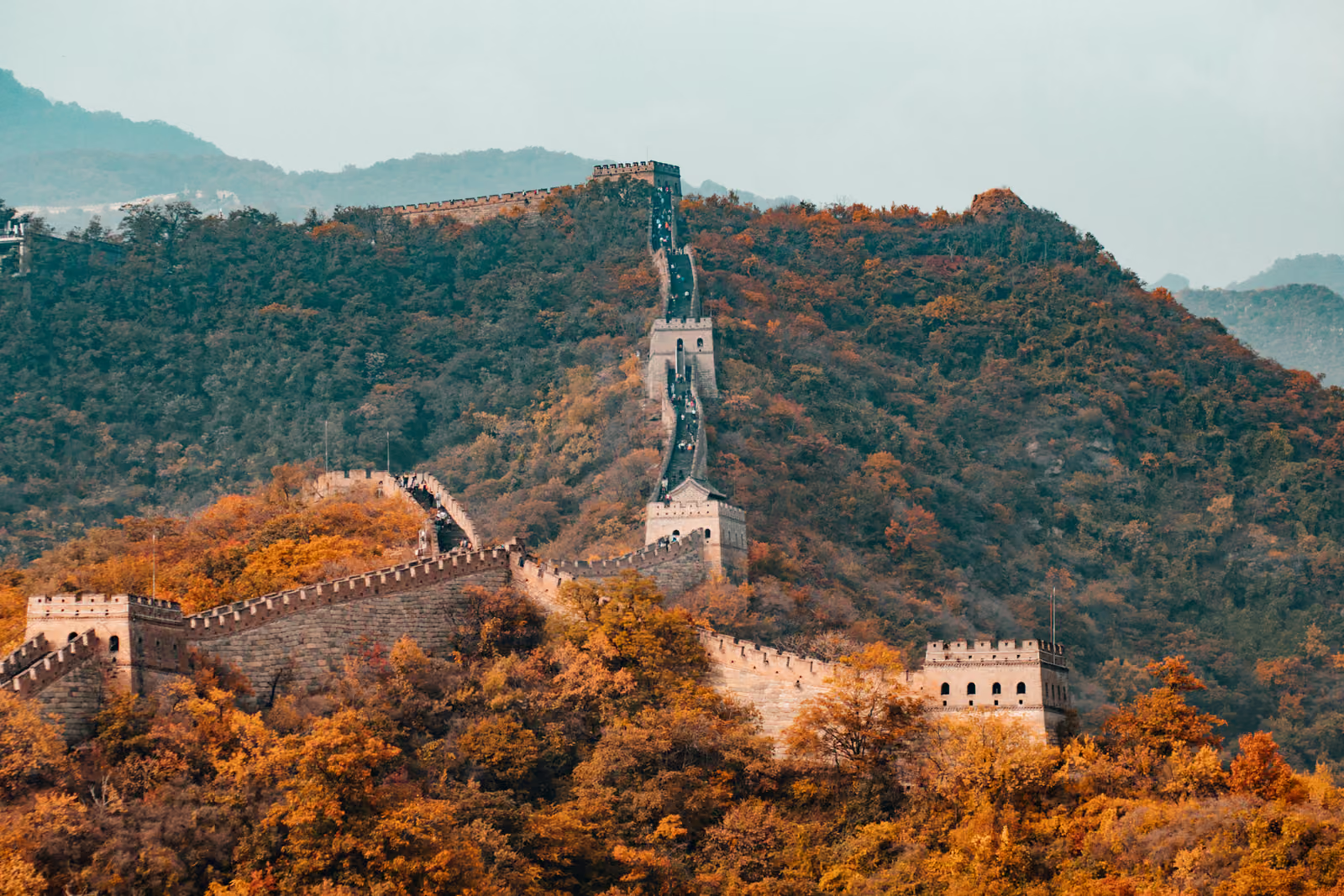
First Trip to China 2026: 10-Day Itinerary with Prices & Booking Tips
A complete 10-day China itinerary for first-time visitors: Beijing → Xi'an → Shanghai with 2026 prices, seasonal tips, hotel area guides, and a day-by-day plan.

Two Weeks in Yunnan 2026: Altitude-Safe Itinerary with Guesthouses & Local Food